



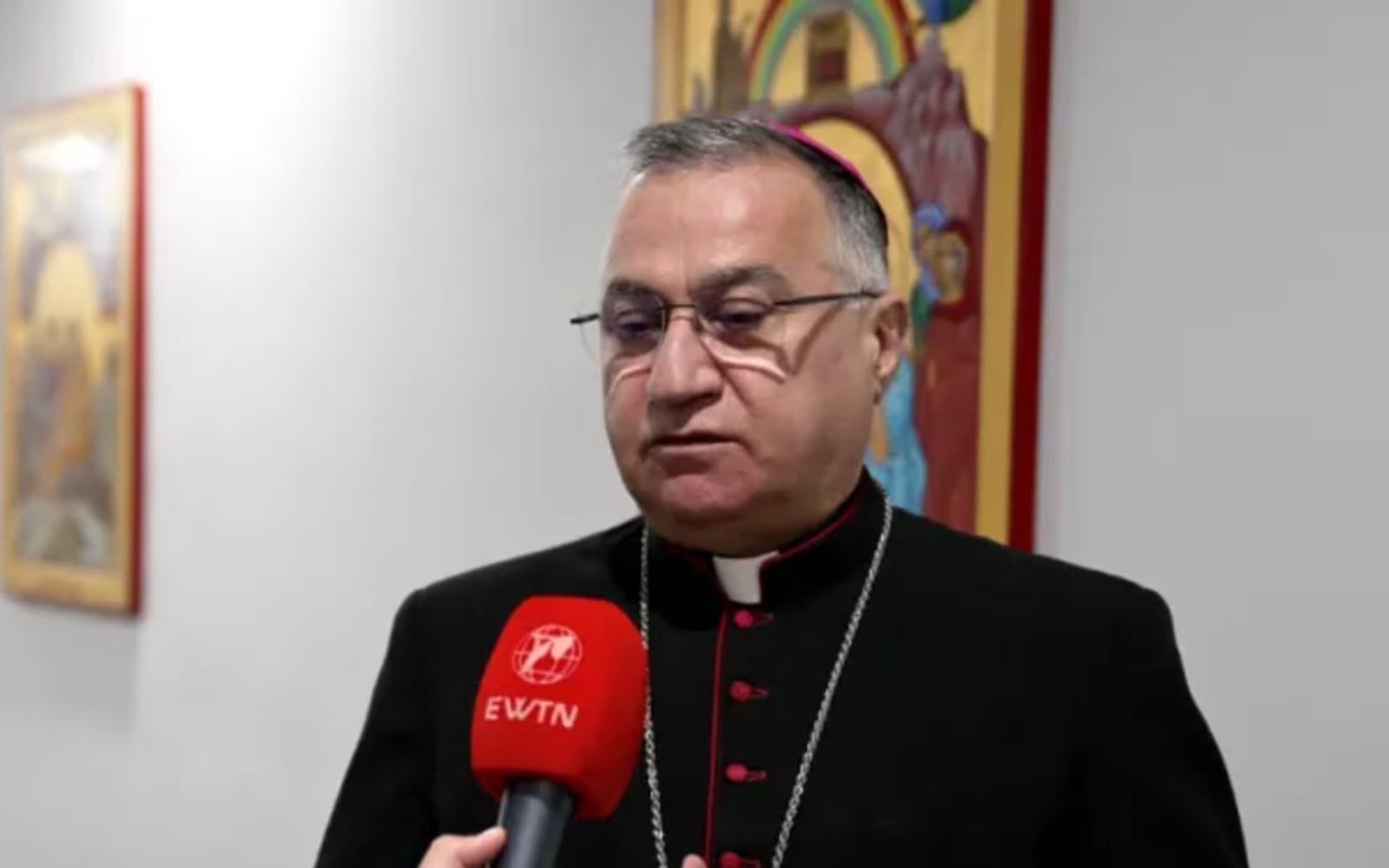
The long-term survival of Iraq’s dwindling Christian community depends on creating jobs and fostering economic self-sufficiency rather than relying solely on emergency aid. Speaking with ACI MENA at Catholic University in Erbil, Chaldean Catholic Archbishop Msgr. Bashar Warda emphasized that education, vocational training, and stable private-sector employment are critical to enabling young Christians to remain in their historic homeland. Following decades of sharp demographic decline, Iraq’s remaining Christian populations have become far more vulnerable to ongoing economic pressures.
Iraq’s broader economic structure presents severe obstacles for young job seekers across the nation. The country faces an unemployment rate of 15.5% and a low labor force participation rate of roughly 38%, with youth aged 15 to 29 making up nearly a third of the population. Furthermore, Iraq’s public sector is heavily bloated, while its economy remains overwhelmingly reliant on oil revenues—accounting for roughly 88% of government revenue and 91% of exports in 2025. Because state jobs are increasingly scarce and the private sector remains underdeveloped, young Iraqis face immense friction transitioning from higher education into the workforce.
To address these challenges, Archbishop Warda called for a strategic shift from immediate humanitarian relief toward long-term investment in human capital and sustainable business development. While praising organizations like Aid to the Church in Need (ACN) for providing educational scholarships, he stressed that support must extend beyond graduation to ensure young people secure viable jobs. In response, the Chaldean Archdiocese of Erbil is actively building a network of educational, healthcare, and humanitarian institutions aimed at equipping youth with market-ready professional skills, reducing reliance on state employment, and securing a future for Christians in Iraq.