



A magnitude 7.7 earthquake struck Indonesia on Saturday, August 15, with the island of Flores in East hb Nusa Tenggara bearing the brunt of the impact. The death toll has risen to at least 68, with 213 people injured. Nearly 13,000 people have been forced to leave their homes. Rescue operations are ongoing in areas hit by landslides and cut off from outside help. A second quake, measuring 6.1, was recorded off the coast of Sumatra on August 18 at a depth of 29 kilometers, adding to concerns in the region.
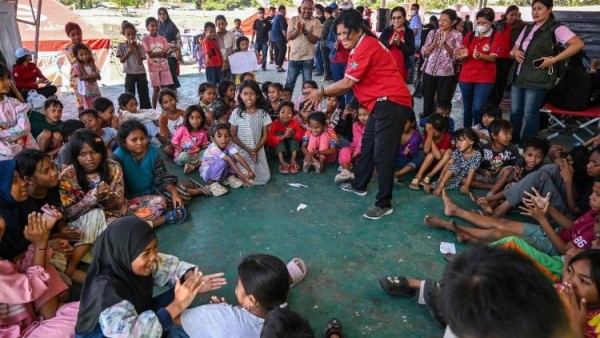
Children are among the most affected. According to Save the Children, more than 8,000 children and adolescents in East Nusa Tenggara cannot attend school and now face increased safety risks. Over 900 homes have been damaged, along with at least 87 schools and 18 health centers. Many communities were already struggling with drought linked to El Niño and volcanic activity from Mount Lewotobi, which has further worsened the impact on children’s health, education, and mental well-being. In Maumere, children are taking part in trauma healing programs at shelters as organizations work to address the emotional toll.
Humanitarian groups are moving quickly to respond. Save the Children, together with local partner CIS Timor, is assessing family needs with a focus on restoring access to education and supporting livelihoods. Fadli Usman, Director of Humanitarian Response and Resilience at Save the Children Indonesia, warned that beyond immediate aid, longer-term measures will be needed to tackle loss, malnutrition, child labor, early marriage, and other protection risks.
Caritas Indonesia has also mobilized the Catholic Church’s humanitarian network in the dioceses of Ruteng, Labuan Bajo, Kupang, Maumere, and Ende. Under the “One Church, One Response” approach, parishes, volunteers, and diocesan teams are gathering information and providing assistance. Caritas Indonesia Director Father Fredy Rante Taruk said the most urgent needs include drinking water, food, shelter, hygiene kits, and healthcare, with special attention to children, the elderly, pregnant women, and people with disabilities.
Thousands of displaced people were still waiting for aid on August 17, sheltering in schools, police stations, and government offices as relief efforts continue.