



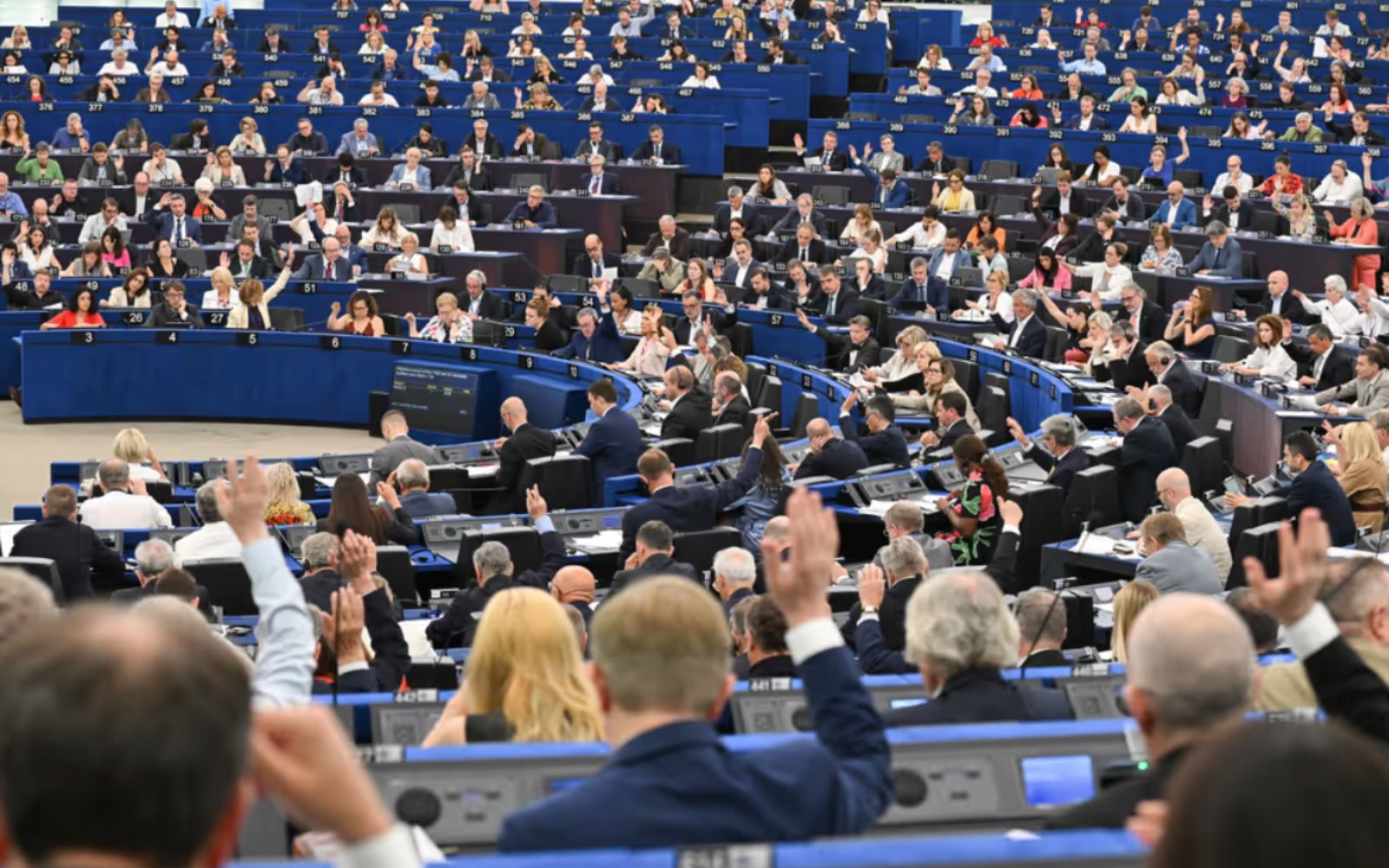
On July 9, 2026, the European Parliament adopted two specific resolutions expressing concern over the persecution of Christians in Nigeria and Pakistan. Both texts denounce attacks, kidnappings, forced conversions and other violations of religious freedom affecting these communities.The first resolution addresses the situation in Nigeria, specifically the Kawel village massacre (2026/2800(RSP)).
The second focuses on the abduction, forced conversion and child marriage of Maria Shahbaz, and the broader protection of girls in Pakistan (2026/2801(RSP)). In both resolutions, the European Parliament calls on the governments of Nigeria and Pakistan to take urgent measures to protect religious minorities, combat impunity, and guarantee respect for religious freedom and human rights.
The first resolution responds to an attack last June in the village of Kawel, in Nigeria’s Plateau State. The armed assault left dozens of Christians dead, many wounded, and caused serious material damage.The resolution was approved by 510 votes in favor, 1 against and 86 abstentions. MEPs condemned the attack, expressed condolences to the families of the victims, and reaffirmed their commitment to defending freedom of thought, conscience, and religion. Parliament also warned of the rise in kidnappings in Nigeria and noted that women and girls are among the most vulnerable groups.
It called on Nigerian authorities to intensify the fight against terrorist groups such as Boko Haram, while ensuring independent investigations that bring those responsible to justice and end impunity. MEPs also asked for greater protection for the civilian population and requested that the EU’s special envoy for freedom of religion or belief outside the EU pay particular attention to the deteriorating situation of Christians and other persecuted religious communities in Nigeria.The resolution notes that violence in Nigeria’s Central Belt does not have a single cause. It stems from a combination of armed extremism, land and water conflicts, ethnic and religious tensions, organized crime, and the effects of climate change on natural resources.
The second resolution centers on Maria Shahbaz, a Christian girl from Lahore who was kidnapped at age 13, forced to convert to Islam, and forced to marry the man who abducted her.Although the contexts of Nigeria and Pakistan are different, the European Parliament states that both cases show the same reality: the vulnerability of Christian communities and other religious minorities when states do not guarantee the effective protection of religious freedom.