



Make me humble in the furnace of the love of Your Divine Heart.
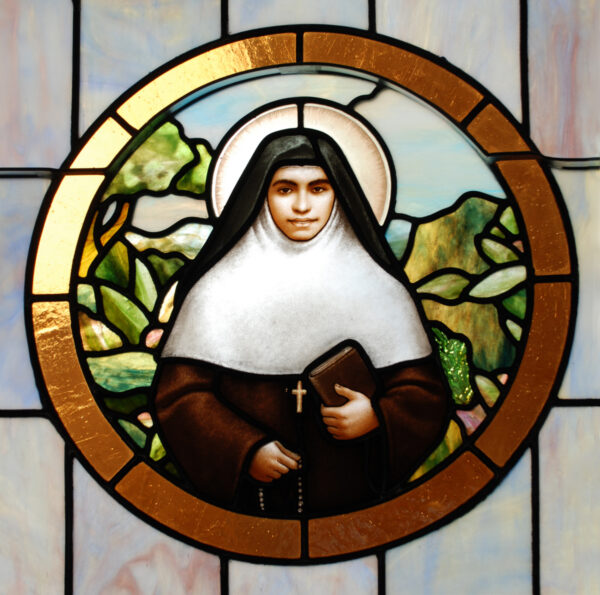
“Humility is the queen of virtues; I consider any chance to humble myself a great fortune.” St. Alphonsa
St. Thomas Aquinas teaches that humility is the queen of virtues, allowing our other good qualities to shine fully and be most helpful to ourselves and the world. Humility is also a central and foundational aspect of Christian spirituality and faithful discipleship, binding us all in a shared commitment to humility. The life of St Alphonsa exemplifies the uniqueness of humility. Throughout her life, she led a life of humility and simplicity. She considered any chance to humble herself as a great blessing.
For Alphonsa, the reality of being humiliated is a blessing, something strange to the world. However, for saintly persons like Alphonsa, it is the way to perfection and religious commitment.
“The Power of a Humble Life” by Richard E. Simmons III explores the profound impact of humility in a world often dominated by pride and arrogance. He says humility is frequently misunderstood as a sign of weakness or lack of confidence. However, Simmons argues that true humility requires significant inner strength and courage. It takes courage to acknowledge one’s flaws, seek feedback, and admit mistakes. By doing so, individuals can grow and improve continuously. This perspective challenges the conventional notion of strength, shifting the focus from external displays of power to internal resilience and self-improvement.
St. Augustine beautifully captures the transformative power of humility when he says, “Pride makes angels devils; humility makes humans angels.” This profound truth was once acknowledged by the devil himself when he said to Saint John Maria Vianney, the humble parish priest of Ars: “I can do all that you do, I can do your penances, I can imitate you in everything. But in one thing, I cannot; I cannot imitate you in humility.” “Therefore, I beat thee, answered St. Vianney. “Take my yoke upon you and learn from me, for I am meek and humble of heart, and you will find rest for yourselves.” (Matthew 11:29). “Rather, he made himself nothing by taking the very nature of a servant, being made in human likeness. And being found in appearance as a man, he humbled himself by becoming obedient to death— even death on a cross!” (Philippians 2: 7-8). Jesus “humbled himself” and “became obedient to death,” shows His submission to God’s will, even to the point of dying on the cross, a method of execution reserved for the lowest criminals in Roman society. This passage is central to Christian theology as it underscores Jesus’ example of humility and obedience, which we are called to emulate.
In the prayer of St Alphonsa, we recite,“… Make me humble until I become very insignificant and a small spark in the furnace of the love of Your Divine Heart. Give me the grace to forget the world and everything in it, including myself.”
Fr Jaison Kunnel MCBS