



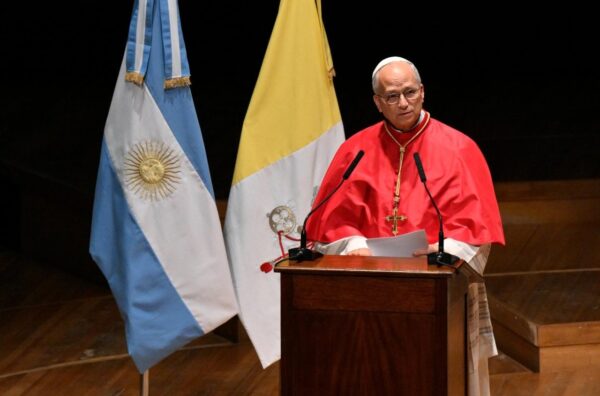
Pope Leo XIV arrived in Argentina on the second leg of his Apostolic Journey, delivering a significant address to the nation’s authorities, civil society, and diplomatic corps at the Palacio Libertad in Buenos Aires. Speaking as a pastor and the Successor of Peter, the Pope called on the country’s political leaders to exercise authority as a form of public service and to place the common good above immediate political interests.
Reflecting on Argentina’s democratic heritage, Pope Leo emphasized that democracy must be actively safeguarded through genuine dialogue, civic participation, and institutional respect. He noted that political strength is built through attentive listening, careful discourse, and the patient search for agreement among citizens with differing viewpoints. Furthermore, he reminded public officials of their duty to act with prudence, recognize the limitations of their power, and direct all decisions toward the welfare of the entire community.
Addressing economic matters, the Pope highlighted work as a fundamental pillar of the common good and praised the daily contributions of workers, educators, and business owners. He advocated for policies that foster private initiative and create opportunities, ensuring that economic growth reaches disadvantaged populations, including struggling households, the unemployed, and the elderly. He also raised concerns about young people feeling compelled to leave the country, urging the nation to strengthen education and trust in youth leadership to build a viable future at home.
In addition to economic and social concerns, Pope Leo called for stronger regional cooperation across South America to combat organized crime, human trafficking, drug cartels, and corruption, warning that such threats severely undermine social cohesion and public trust in institutions. He concluded by urging leaders to protect human dignity across all stages of life—from unborn children to the elderly and disabled—while responsibly managing the nation’s natural resources and navigating the ethical challenges posed by modern technological advancements like artificial intelligence.