

The U.S. Commission on International Religious Freedom’s new chair said religious persecution in Nigeria, which predominantly affects Christian communities, remains a key concern for the commission. Asif Mahmood, recently elected chair of USCIRF, told OSV News on July 24 that if asked to “pick one place,” his top priority would be Nigeria.
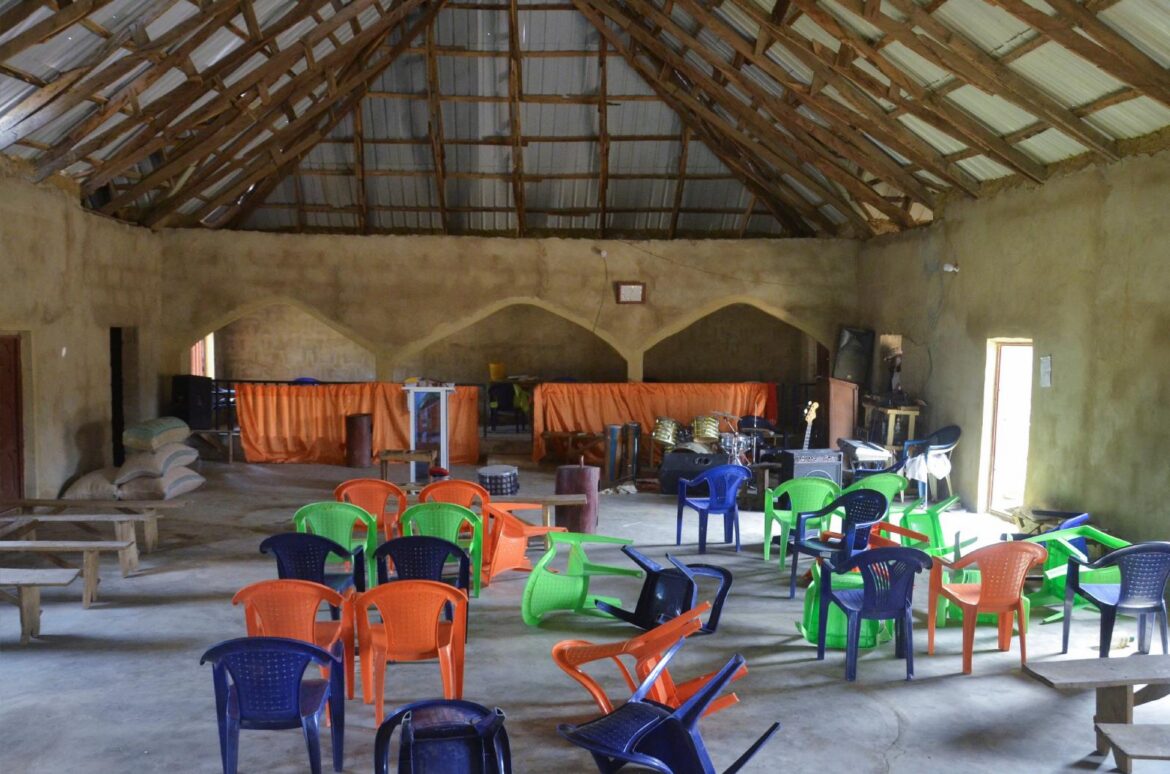
Violence against Christians in Nigeria has escalated in recent years due to attacks by Islamic extremist groups such as Boko Haram. Muslim communities have also been gravely impacted, and disputes between farmers and herders have led to further violence and displacement. On January 20, 2026, over 160 worshippers were reportedly kidnapped in an alleged attack by gunmen at Haske Cherubim and Seraphim Movement Church in Kurmin Wali, Kaduna state.Nigeria designated a ‘country of particular concern’USCIRF had urged the Trump administration to redesignate Nigeria as a “country of particular concern,” a State Department designation for nations that carry out systemic religious freedom violations. President Donald Trump did so in 2025.
That same year, the U.S. carried out a deadly strike in Nigeria on Christmas Day that Trump described as targeting Islamic State group terrorists who persecuted Christians.Pointing to Nigeria as Africa’s most populous country with close shares of Christians and Muslims, Mahmood said it is crucial to see an end to the “misery and that brutality” there. He stressed the need for tangible improvements, including the recovery of kidnapping victims.
President Trump recently praised Nigerian President Bola Tinubu in a letter released by Tinubu’s office, applauding his efforts to address “the violence affecting Christian communities.”But Mahmood said the Nigerian government “continues to tolerate and fail to respond to violent attacks against religious communities by non-state actors and expose them to a violent interpretation of Islam.”He cited USCIRF’s 2026 annual report released March 4, which expressed concern about Nigeria. “Our assessment is what is happening on the ground, what is happening to the households, the communities, how many people can go to church and perform their services,” Mahmood said. “How many churches actually can perform those services without having a huge guarded facility which everybody cannot afford.”
“So I would say at this point we don’t see the corner being turned, but hopefully we’ll move in that direction.”Commission resumes work with new membersNew commissioners recently joined USCIRF after previous terms expired in May. Mahmood is one of two commissioners who were reappointed. Three vacancies for commissioners nominated by the White House remain, as the Trump administration has not yet made those appointments. The ambassador-at-large for international religious freedom at the Department of State also remains vacant.
With six commissioners now in place, USCIRF has a quorum and can resume its work. Mahmood said they hope the remaining vacancies are filled quickly so the commission can operate at “our full capacity.”Congress created both USCIRF and the ambassador role under the International Religious Freedom Act of 1998. The ambassador serves as an adviser to the president and the secretary of state on religious freedom issues abroad. A previous nomination by Trump for the ambassador role expired and has not been renewed.
“Our priority and our goal and our mission is to help anybody and everybody all over the world who is repressed or oppressed because of their faith or religion,” he said.