



Lebanese President Joseph Aoun recently assured a delegation of French lawmakers that the Christian presence in Lebanon faces no existential threat, pointing to the nation’s historic tradition of Christian-Muslim coexistence. Under Lebanon’s power-sharing political framework, parliamentary seats are split evenly between Christians and Muslims, and the presidency is reserved for a Maronite Christian. However, President Aoun’s optimistic remarks stand in sharp contrast to the daily reality of Lebanon’s Christian communities, which continue to grapple with severe security threats, displacement, and mounting pressure to leave the country.
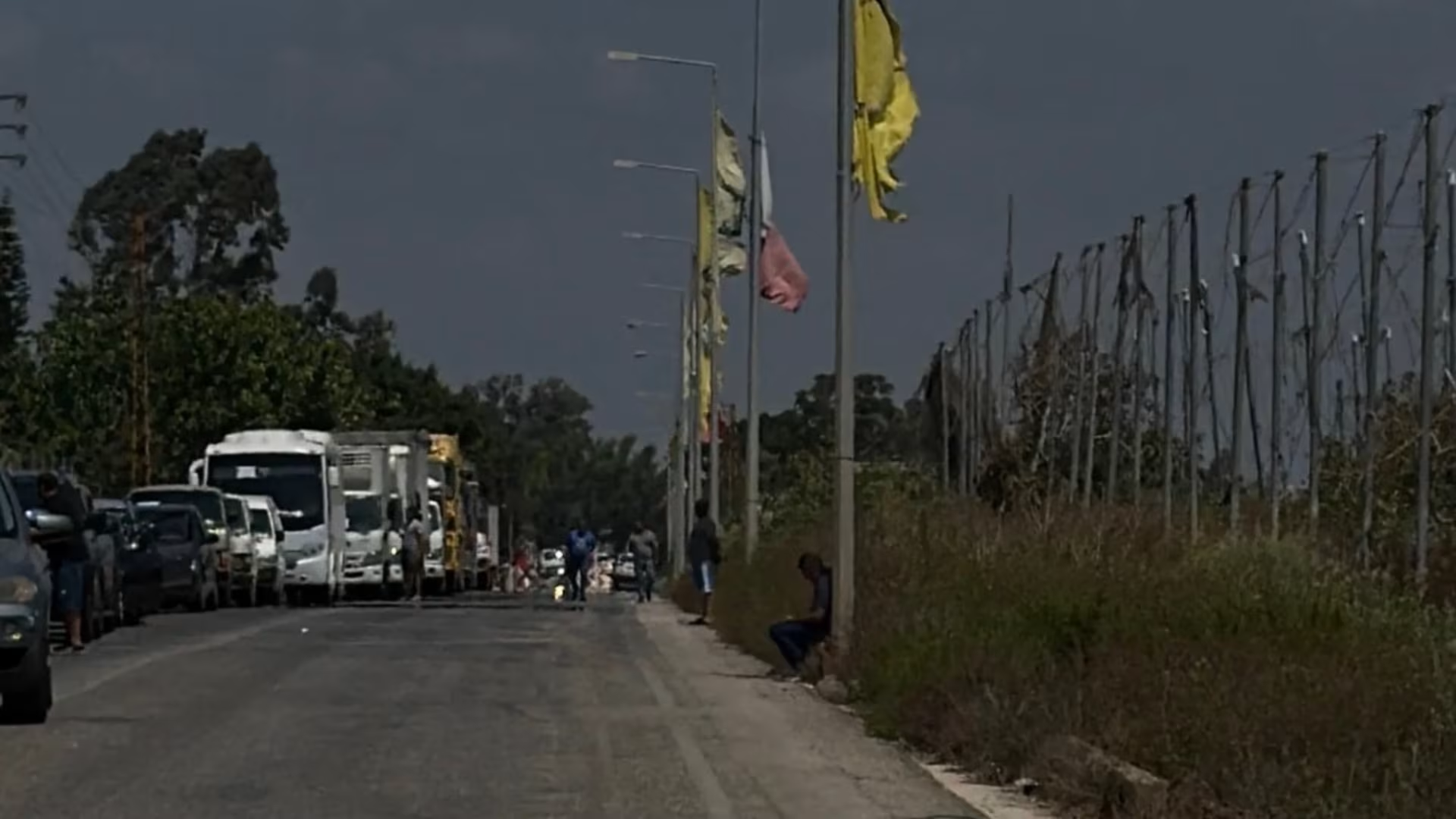
Personal safety remains the most pressing concern for the community following a series of violent incidents targeting both clergy and civilians. Over the past two years, several religious figures—including Maronite Father Samir Daou, Father Pierre al-Rahi, and Armenian Apostolic Archimandrite Anania Kojanian—have been killed in separate attacks and Israeli shelling. Civilians, including entire families and figures linked to the anti-Hezbollah Lebanese Forces party, have also lost their lives in strikes and local clashes. In southern Lebanon, Christian villages near the Israeli border have been caught in the crossfire between Israel and the Iran-backed militant group Hezbollah. While towns like Qawzah have been emptied and damaged, residents remaining in border villages such as Rmeish, Ain Ebel, and Debel live in isolation, cut off from essential services and reliant on coordinated convoys for movement.
Beyond immediate physical threats, the community faces long-term challenges regarding land ownership, state representation, and youth emigration. Maronite Patriarch Cardinal Bechara Boutros al-Rai has cautioned Christians against selling their properties, amid widespread allegations that Hezbollah-linked financiers are buying up land in Christian areas at inflated prices to expand territorial influence. Meanwhile, concerns persist over fair representation in public sector jobs—highlighted by a recent decree in which only three of 54 trainee accountant appointments went to Christians. Combined with Lebanon’s ongoing financial crisis and lack of economic opportunities, these pressures have driven widespread disillusionment, with