


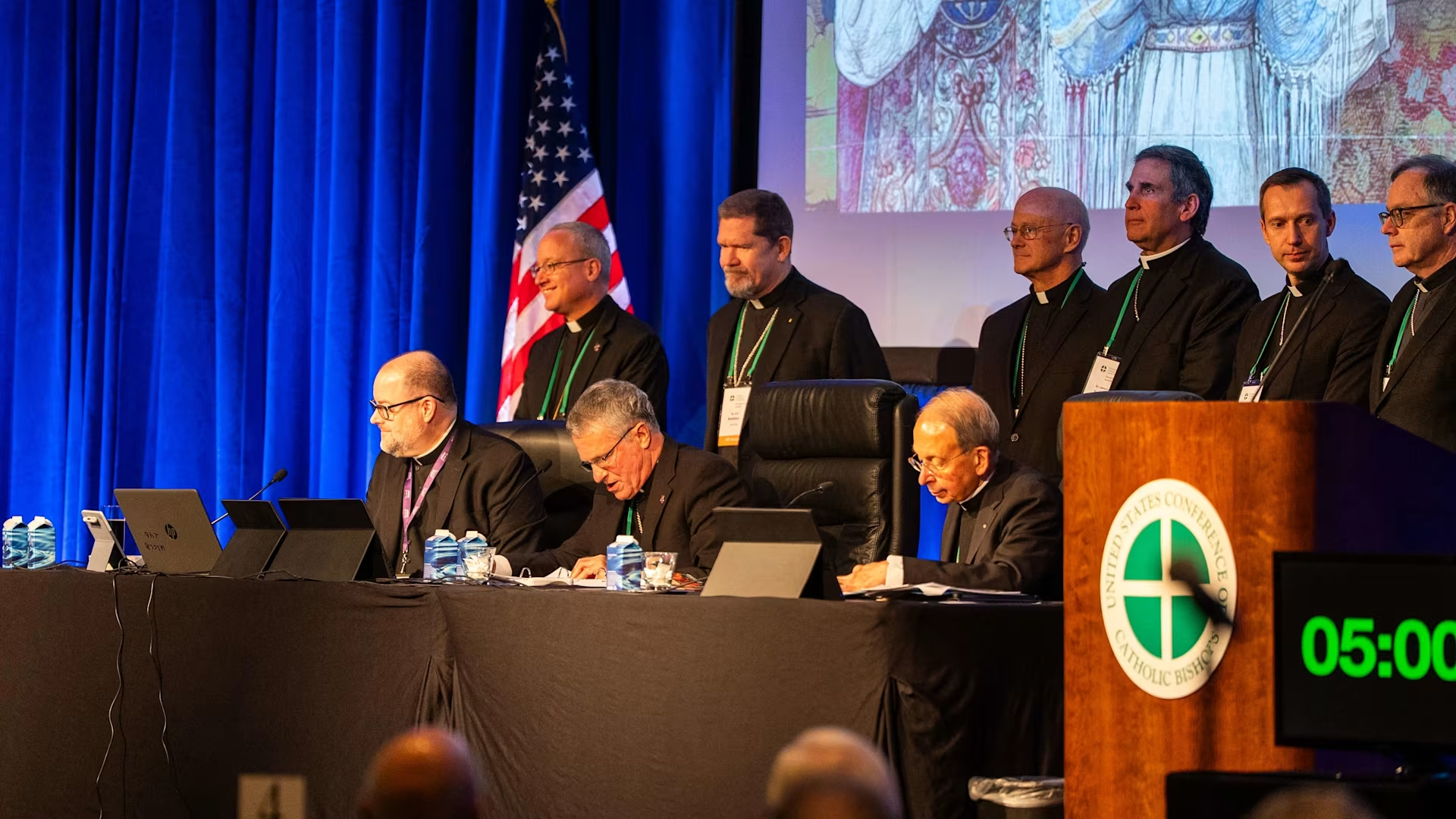
The United States Conference of Catholic Bishops (USCCB) is set to convene in Baltimore on November 17 and 18 for its Fall 2026 Plenary Assembly, a crucial gathering aimed at setting the direction for the Catholic Church in the country. Over the two-day meeting, the bishops will tackle pressing pastoral challenges and clarify emerging priorities, with discussions spanning religious renewal among young adults, immigration, internal leadership elections, artificial intelligence, and key liturgical and financial votes.
A primary focus of the assembly will be examining the recent surge in converts and renewed religious interest among young adults. A dedicated panel will review reports on this growth to identify the underlying factors drawing people to the faith and determine how to convert this enthusiasm into sustained parish life. While some studies point to a promising resurgence, others show mixed results, leaving the bishops to assess whether this momentum represents a lasting generational shift or a still-evolving trend.
Immigration will also feature prominently on the agenda, marking one year since the USCCB issued its November 2025 special message on the issue. The Committee on Migration will provide updates on how dioceses and Catholic institutions have implemented concrete responses to support migrants. Leaders along the southern border, including Bishop Mark Seitz of El Paso and Archbishop Gustavo Garcia-Siller of San Antonio, have continued to amplify Pope Leo XIV’s November 2025 condemnation of family separation and the disrespectful treatment of long-standing, law-abiding immigrants in the United States.
In addition to pastoral discussions, the assembly will shape the conference’s future governance through internal elections. The bishops will vote for a new conference secretary and the chairs of six standing committees, roles that heavily influence the USCCB’s public messaging and strategic focus. The public sessions will open with an address from USCCB President Archbishop Paul Coakley, alongside remarks from Archbishop Gabriele Caccia, the papal nuncio to the United States.
Finally, the bishops face several significant policy, liturgical, and financial votes. They will decide whether to authorise an update to their pastoral plan for pro-life activities—originally adopted in 1975 and last revised in 2001—and consider establishing an Annual Day of Prayer for Racial Justice. Liturgically, the assembly will vote on new editions of the Lectionary for Mass and the Book of the Gospels, while on the administrative front, they will approve the 2027 budget and vote on revisions to diocesan financial reporting and socially responsible investment guidelines.