



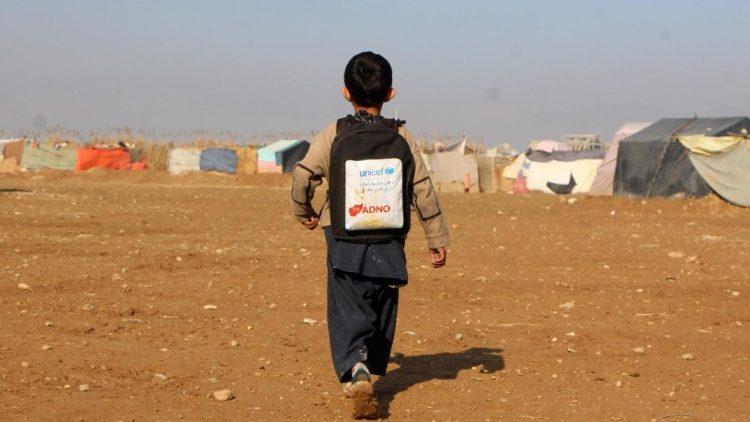
A new UNICEF report warns that 3.7 million children under the age of five in Afghanistan are at heightened risk of malnutrition, as worsening food insecurity and poor nutrition continue to threaten the country’s youngest and most vulnerable. Published on Monday, the report Too Little, Too Late: The Diet Crisis Facing Young Children in Afghanistan highlights an alarming deterioration in children’s nutrition across the country.
It calls for urgent investment in preventive measures before the annual peak malnutrition season intensifies.Afghanistan continues to face one of the world’s most severe humanitarian crises following decades of conflict, economic collapse, and recurring climate shocks. Since the Taliban returned to power in August 2021, the country has seen a sharp decline in international funding, widespread poverty, and increasing pressure on already fragile health and social services. Women and girls also continue to face sweeping restrictions on education, employment, and public life, compounding the challenges for families.
For the first time, UNICEF assessed child malnutrition alongside household food and nutrition insecurity among children in every province of Afghanistan. The analysis identifies early warning signs that often precede acute malnutrition, including reduced dietary diversity, skipped meals, children eating less than they need, and going hungry.The report comes as Afghanistan enters the period when acute malnutrition traditionally peaks between July and September. However, recent data from the country’s Nutrition Cluster show the crisis is worsening earlier than expected, with acute malnutrition increasing in 26 of Afghanistan’s 34 provinces compared to 2025.Children under the age of two are bearing the heaviest burden. They account for 83% of severe acute malnutrition cases and 77% of moderate acute malnutrition cases nationwide.“Young children in Afghanistan are slipping into malnutrition even before the peak season has begun,” said UNICEF Representative in Afghanistan Dr. Tajudeen Oyewale.
“These new findings give us an opportunity to act before children reach severe malnutrition. When families begin skipping meals or cutting back on nutritious foods, it is not simply a sign of hardship – it is an early warning that a child may soon develop acute malnutrition.”While treatment remains essential to saving lives, Dr. Oyewale stressed that greater investment is needed in prevention, beginning with improving the diets of young children and pregnant women.